Looking back over the past few years, Unity’s been quite volatile. While Unity was almost the default engine for independent games and medium-sized developers in the 2010s, it consumed industry interest first because of a strategic error in platform development, and once became a target after the introduction of the “runtime” billing programme in September 2023, which was based on the number of games installed.
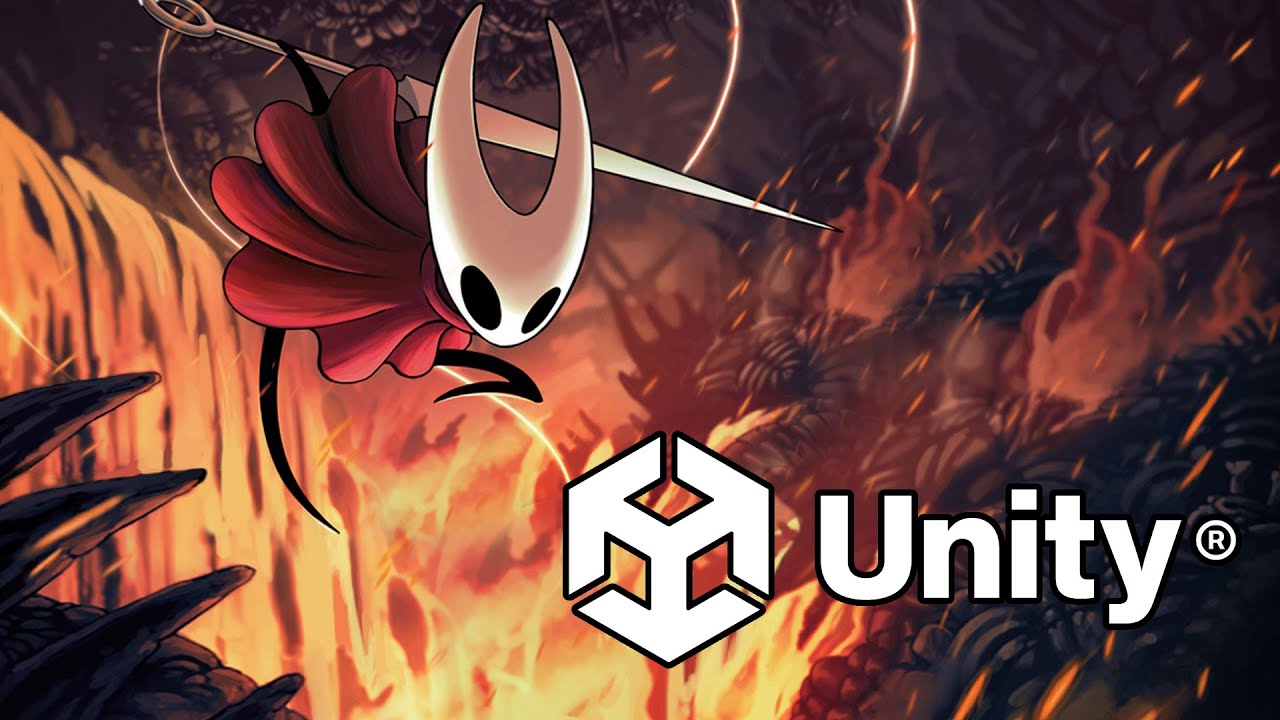
Following strong opposition, Unity adjusted the programme and eventually completely abandoned it in September 2024. The wave accelerated the departure of former CEO John Richtiro (departed in October 2023), and the current Chief Executive Officer, Matt Brownberg, took full power in May 2024. In spite of pressure from public opinion, Unity remains a necessary choice for the industry. This year’s blast game, Peak, Schedule I, Megabonk, and The Empty Knights: A Song of Silk, are based on the engine. Adam Smith, Senior Vice-President of the Uniity Engine Products, acknowledged the company ‘ s mistakes in an interview with the Games Industry prior to the Unite 2025 Congress, but stressed that the engine giants are now new.
“It is clear that some of the decisions of the previous leadership were not taken from the perspective of improving product value and the development experience.” He stated that “the company’s current leadership team has changed 100 per cent blood. The situation has improved significantly since Matt took office. His industry experience, his common sense of the developers and his radical reorganization initiatives have given me renewed confidence in the future. The new team is made up of well-developed professionals.” In spite of the change in the management philosophy of Unity, challenges remain. After the “runtime” cost wave, a large number of developers switched to competitors such as Godot, the open source engine. Emilio Kopola, Executive Director of the Godot Foundation, confirmed earlier this year that the engine had “surged” after Unity’s failure. A central question arises from the waves: How can Unity regain the trust of developers? Smith believes that returning to the area where companies are best at doing – helping developers to launch games across platforms is the best starting point. New features such as the Platform Toolkit, which was launched at the current Unite 2025 Conference, were designed to lower the multi-platform release threshold. Adam Smith explained: “In the final analysis, we want to serve the developer’s end-user, the player. Help them build interesting, socialized communities, make users willing to retain and sustain their input, and support them in creating such communities on any platform. In short, it is a group of players that focuses on developers and puts the runtime performance and community capacity-building in the hands of creators. Another key to the conflict caused by the Runtme cost programme is that developers feel betrayed. The social contract between the engine giant and the user has broken down as Unity attempts to unilaterally alter the cooperation clause after the event. While it is important to abolish the rejected functions, rebuilding trust is more difficult.
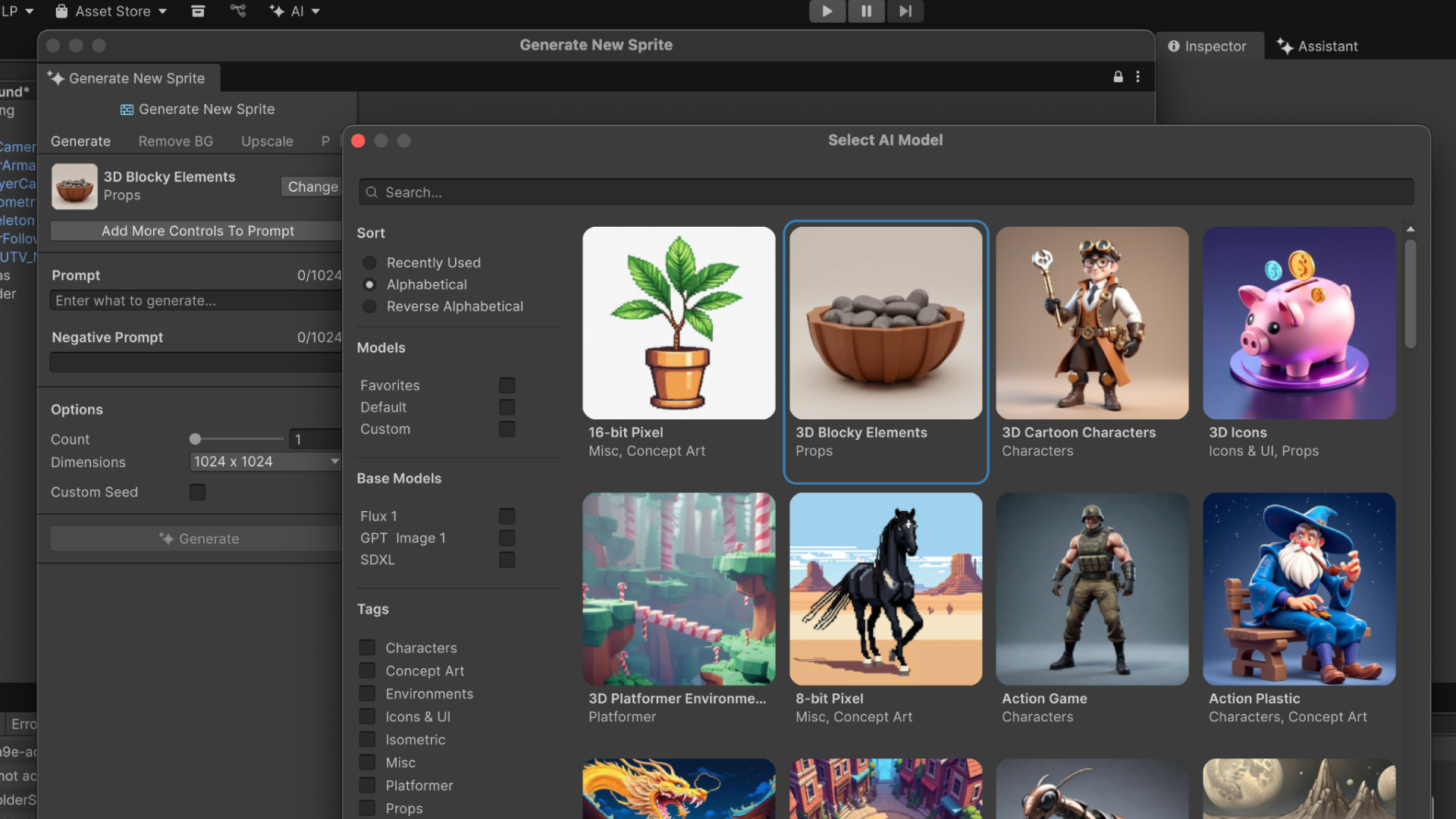
“Trust cannot be given in vain, especially after a social contract has broken down.” Smith frankly said, “It must be won by action. I am convinced that we are on the right path. The Unity 6.3 version brings together high-quality renderings, higher stability, iterative workstream breakthroughs of the development community’s greatest concern, and new ways of covering more platforms through technology such as XR equipment, Web GPU, etc. The engine giant now pushes the AI gateway, which supports third-party AI tool access workflows, and Victor AI, which focuses on the optimization of advertising quality. There are two sides to the idea of the use of AI in game development: social media is full of radical arguments that “AI will generate a full game”, while rational voices argue that it should be used as a process acceleration tool. Smith belongs to the latter: “We see the developers using the AI compression development cycle — the traditional processes from concepts, prototypes, project formulations, pre-production to formal production have been re-engineered. They skip the line and prototype stages and go straight into the build, quickly validate the idea with the AI tool, find the core fun within days, and do not need to take months for technical validation.” In the face of the controversy caused by AI, Smith points out that this is an inevitable technological evolution: “The player will eventually accept this development. When there is a gap in the production capacity of the studio, it will become normal to rely on the AI supplement. There is a huge gap between professional evaluation and player feedback, and the world is evolving.”
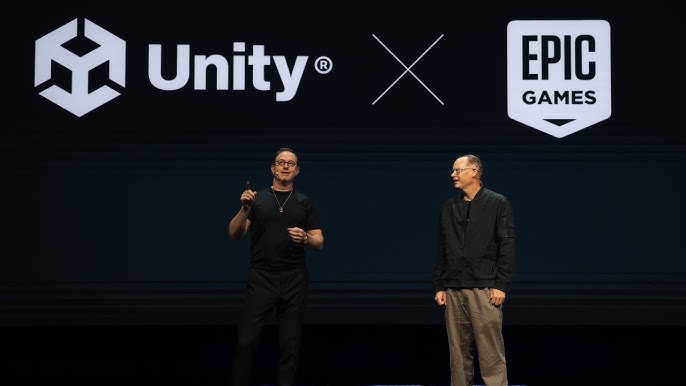
The core system of standards, launched in parallel at the current Unite Congress, establishes an audit mechanism for third-party tools. “As the third-party tool eco-deep engines develop, we need to ensure that they meet the same standards of implementation as the first-party technology, which is an important way of demonstrating compatibility to developers.” Despite negative public opinion, Smith has faith in the future. Unity has worked with Take-Two, whose PGA Tour 2K25 will be the first game to land to Switch2 via Unity technology. But more important than meeting large listed companies, Smith believes that Unity will continue to nurture the unexpected independent bombings on the Steam platform. “Not just a big factory like 2K”, he said, “The vast majority of surprises in 2026 — black horses such as Schedule I, Peak, Megabonk, Ball X Pit — will still be born from the Unity community. That’s the most exciting thing.” It’s worth mentioning.Unity also announced a breakthrough agreement with Epic Gomes at the UNite 2025 Congress, where future Unity-developed games will be released directly to the Fort Night platform. At the same time, Unity will increase its support for fictional engines in its brand-new web store tool kit.