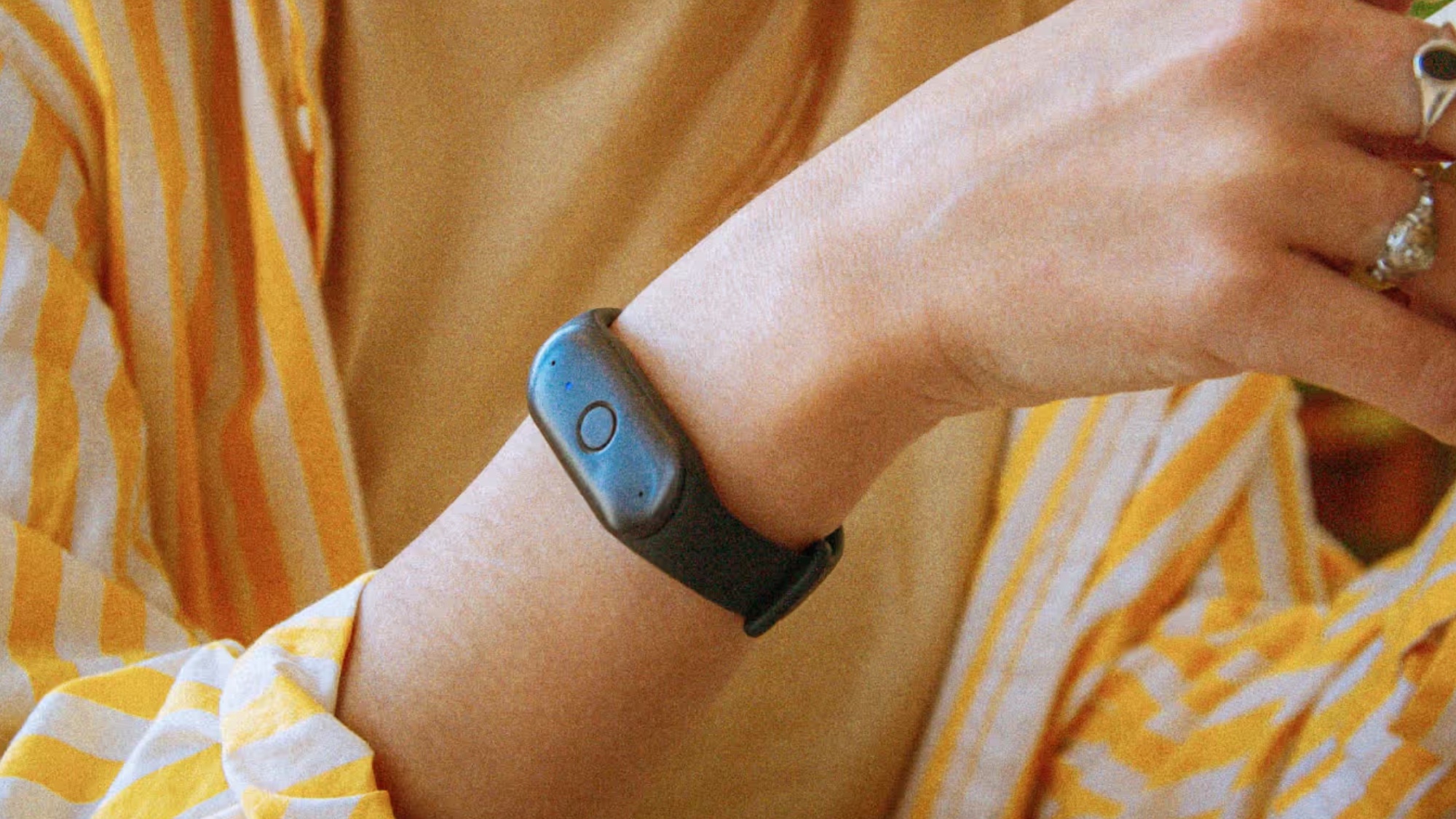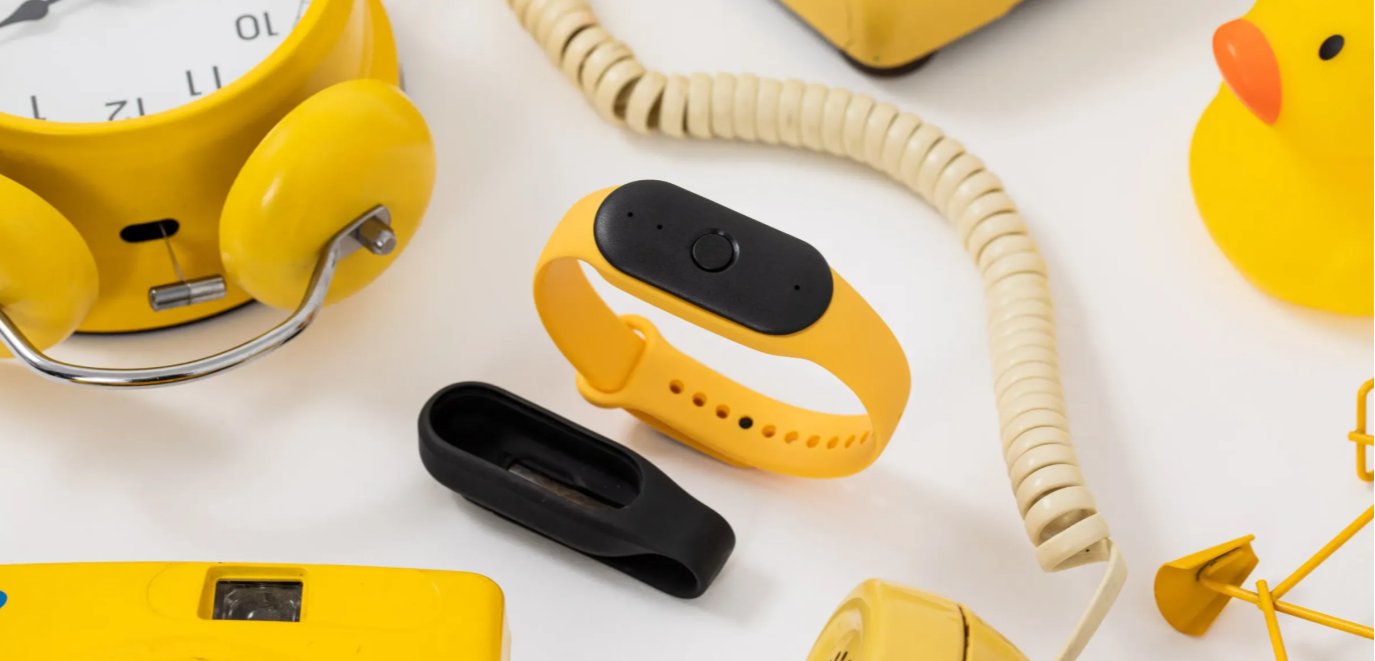
On 23 July, the Amazon Government officially confirmed its plan to acquire Bee, an artificially intelligent and ready to wear equipment in San Francisco, with the terms of the deal not yet disclosed. The acquisition marked the return of the Amazon to the market for wearable equipment, intended to enhance the Alexa ecosystem and respond to AI-driven consumer electronic competition.
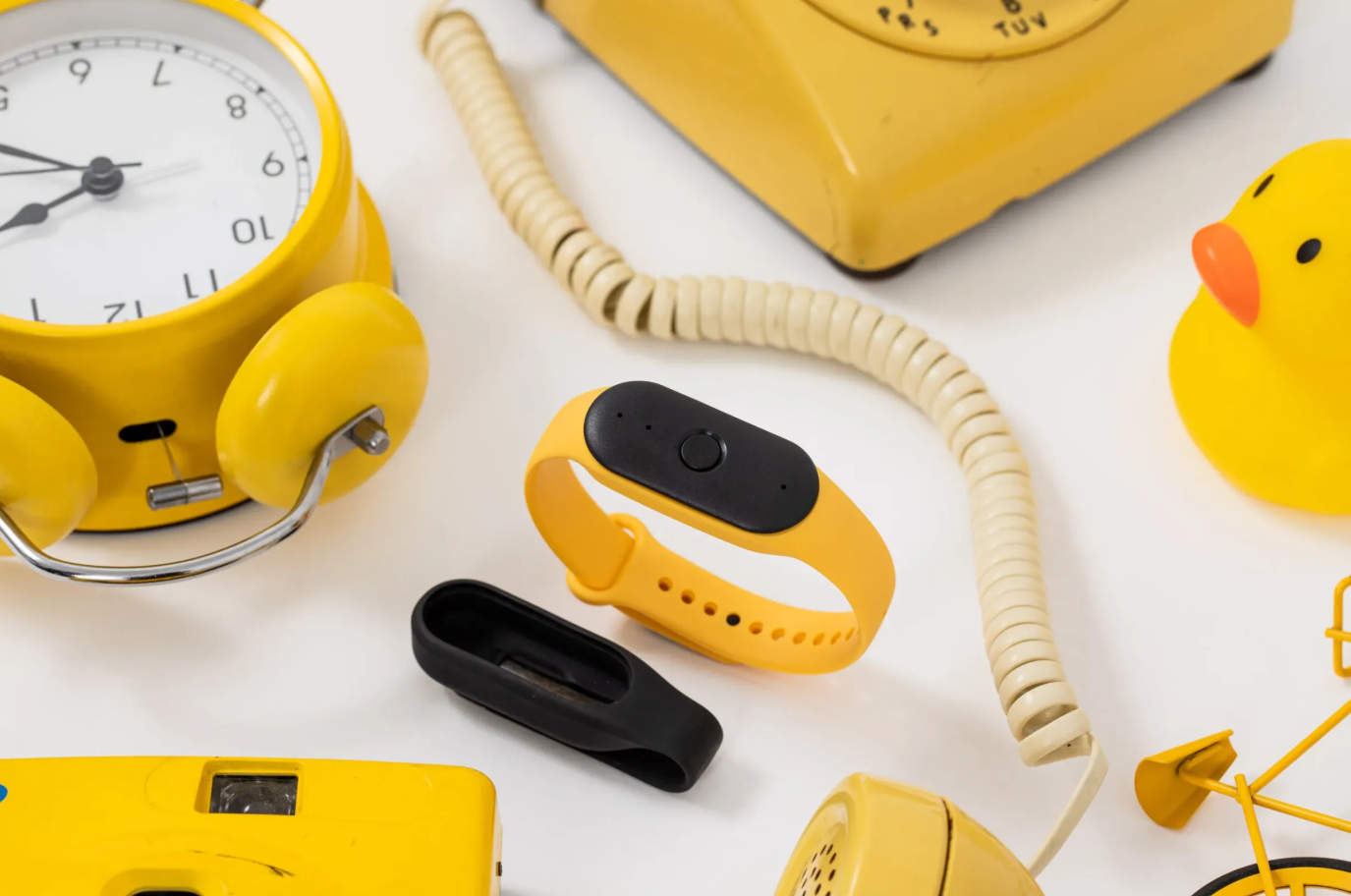
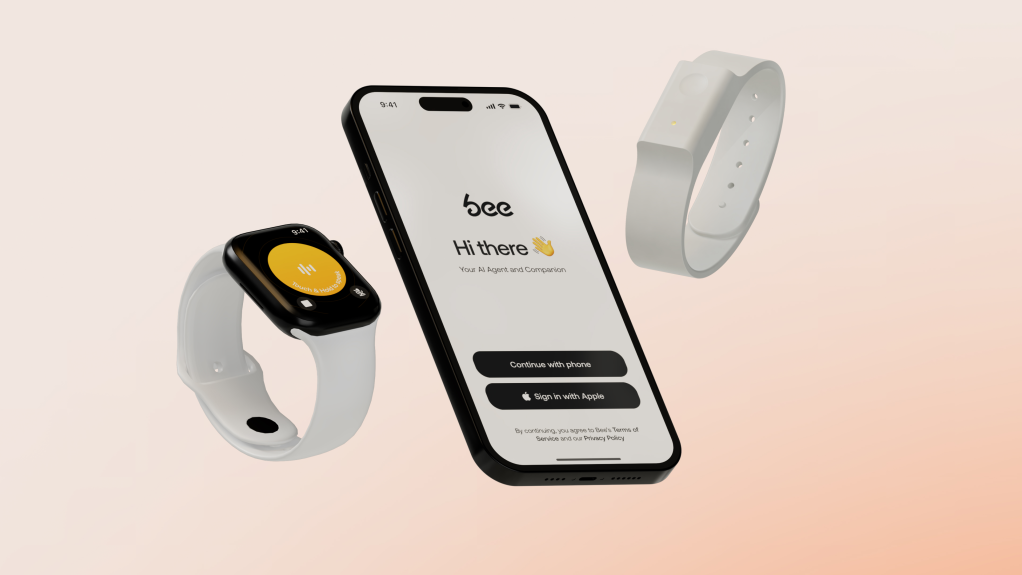
Bee was created in 2022 by Maria de Lourdes Zollo, the core product of which is an AI belt in the shape of Fitbit, at a price of $49.99 (an additional $19.99 per month for subscriptions) with Apple Watch application. The wristband is used to generate calendar alerts, to-dos and summaries of meetings through continuous listening to user conversations (manual sound) called “Integration like trusted partners”.
Bee also plans to introduce a cloud cell phone to provide seamless digital experience through equipment access to user accounts and notifications. Unlike traditional smart watches (e.g. Apple Watch) focused on health tracking, Bee’s wrists lead environmental perception and productivity optimization. For example, users referred to shopping needs at meetings and the wristband automatically added them to the Amazon shopping list; or captured tasks during dialogues and generated to-do reminders. This function is highly compatible with Alexa’s voice assistant in the Amazon, adding “nearing” interaction to its ecosystem.
Previous attempts by Amazons in the area of wearable equipment (Halo fitness tracker introduced in 2020) were terminated in 2023 due to cost reductions. Bee’s acquisition provided him with an opportunity to re-enter the market. Bee ‘ s team of 20 engineers will join the Amazon equipment department, headed by Panos Panay, and will be integrated with Alexa, Echo and potential AR glasses projects. Andy Jassy, Chief Executive Officer of the Amazon, said that Bee’s technology would “redefine Alexa’s personalization experience” and enhance user-life efficiency through environmental intelligence.
In 2025, Amazonian action in the AI area was frequent, including an investment of $4 billion in Anthropic, the launch of the Trainium chip and the Nova Foundation model. Bee ‘ s AI wristbands can be used in synergy with these technologies to enhance Alexa ‘ s multi-modular interaction. For example, wristbands can be combined with the Bedrock platform in the Amazon to provide real-time meeting analysis for business users or integrated with AWS cloud services to optimize data processing efficiency. Market analysis predicts that the AI-driven market for wearable equipment will reach $3 billion by 2030, with Bee ‘ s low-price strategy giving him a competitive advantage.
Bee’s acquisition reflects the trend towards e-integration of AI with consumption, resonating with other industry dynamics. The Amazon can use Bee ‘ s AI technology to optimize its retail ecology, especially in terms of individualized referral and customer services. In addition, Bee ‘ s technology can support Amazon logistics optimization. Compared to Google Gemini Deep Think’s golden IMO breakthrough, Bee’s natural language processing skills can give new life to Amazon search and referral systems.
However, Bee ‘ s AI wristband caused extensive controversy as a result of the continuous listening function. Bee is committed to end-to-end encryption, does not store audio records and provides easy silence, but past privacy problems in the Amazon (e.g. leaking Ring camera data) may magnify user misgivings. Regulations such as the EU GDP R and the United States CPCA impose stringent data collection requirements and Amazons need to rebuild trust through transparent policies and user control functions.