

The Ministry of Culture, Sports and Tourism of Viet Nam has recently submitted to the Government a draft decree aimed at strengthening the regulation of offences in the field of culture and advertising, in particular with regard to the conduct of stars, cyber-reds, etc. in advertising activities, where violators face a fine of up to 100 million Vietnamese guilders (approximately RMB 29,000).

Under the draft, the influencers are subject to stricter responsibilities in advertising. Failure to verify the qualifications of the advertiser, failure to review product documents or failure to publish advertising notices as required: the influencer will face a fine of between N$ 400,000 and N$ 60 million (approximately RMB 116 to 174,000). The promotion of unused or unknown products is punishable by a fine of up to VND 100 million (approximately RMB 29,000).
These provisions are designed to ensure that, when promoting products (e.g. cosmetics, health care, food supplements, etc.), those affected must use and understand the product in person, and to ensure the authenticity and transparency of the advertising content in order to protect consumer interests.
The draft was part of the amendment of Viet Nam ‘ s Law on Advertising, which was first introduced on 4 March 2024 and is scheduled for discussion at the 8th session of the 15th National Assembly in October 2024 and is expected to enter into force on 1 January 2026. The amendments were designed to respond to the rapid development of online and cross-border advertising and to address the limitations of existing laws, such as false advertising, poor quality products and tax loopholes.

For the first time, the draft clearly defines the influencer as an “advertiser”, requiring compliance with consumer protection laws, compliance with tax obligations and verification of the qualifications of the advertiser and product information prior to promotion. Impactors also need to clearly disclose the nature of the advertising before and after its dissemination and avoid misleading consumers. In addition, the promotion of functional foods, special food products or children’s nutrients must be accompanied by a clear description of the sponsorship relationship and the prohibition of the use of “patient testimony” or exaggerating the efficacy of the product to imply medical effects.
Viet Nam ‘ s advertising market earned about $2.3 billion in 2023, of which online advertising accounted for $1.21 billion, and is expected to increase to $3-4 billion in 2024. International platforms (e.g. Meta, Google, TikTok) account for 70 per cent of the market, raising concerns about false advertising, illegal content and tax leakage. The draft aims to enhance local regulation and consumer protection by regulating influencers and cross-border advertising platforms.
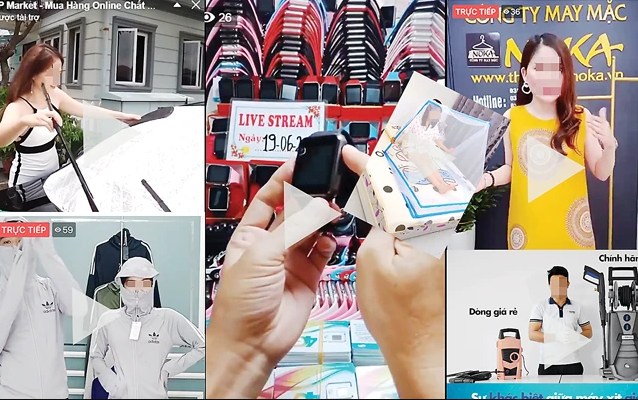
The draft could significantly change the model of cooperation between brands and influencers, requiring more rigorous review of contractual agreements and content. Impactors need to focus more on legal compliance and move from informal representation to a professional advertising role, which may raise operational costs but help build consumer trust.