
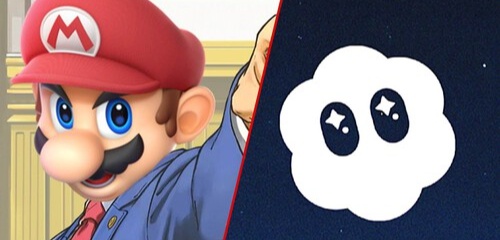
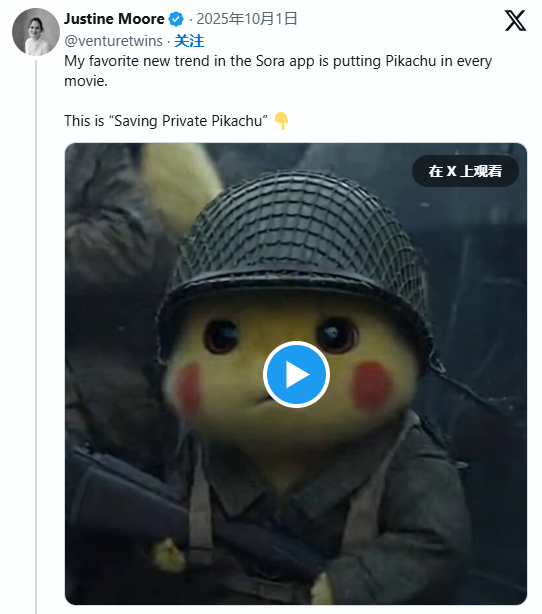
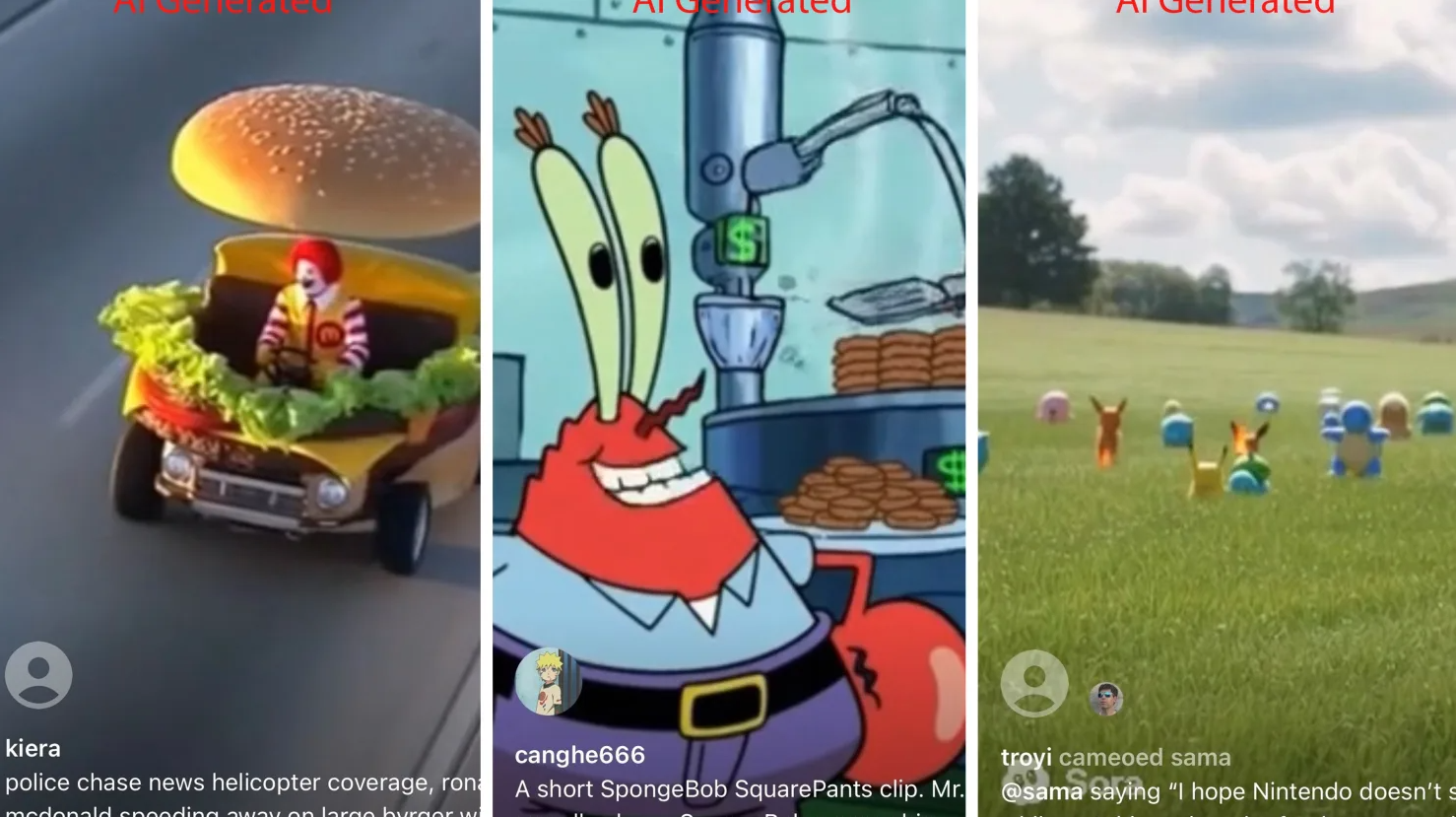
In late September, the AI giant OpenAI launched a new generation of audio-visual AIC tool, Sora 2. More than the first generation of applications, released in 2024, Sora 2 not only achieved the sound synthesis of AI video, but also tectonic progress in the simulation of physical patterns, the synchronization of sound drawings and the control of content. With the release of Sora 2, a large number of videos using the role of Nintendo (e.g. Mario, Pikachu and others) have been rapidly appearing on social platforms, generating widespread concern and copyright concerns. In response, CEO OpenAI Sam Altmann, in a recent blog, promised that the company would give copyrighters “better control” over their role.
Prior to the launch of the Wall Street Journal in Sora 2, OpenAI had actively contacted film work and other IP copyrighters to provide a “retroactive opt-out” mechanism that would allow copyrighters to decide whether to prohibit their imaginary role from being used in Sora 2. This approach differs from the company’s “opt-in” strategy when dealing with public figures. In his blog, Altman says that the company is actively collecting “revenues” from users, copyrighters, etc., and will quickly adjust its strategy accordingly. He noted that many copyrighters were excited by this “interactive co-creation” and felt that it had great potential, but also wished to specify the scope of use of the role and even to ban it altogether.
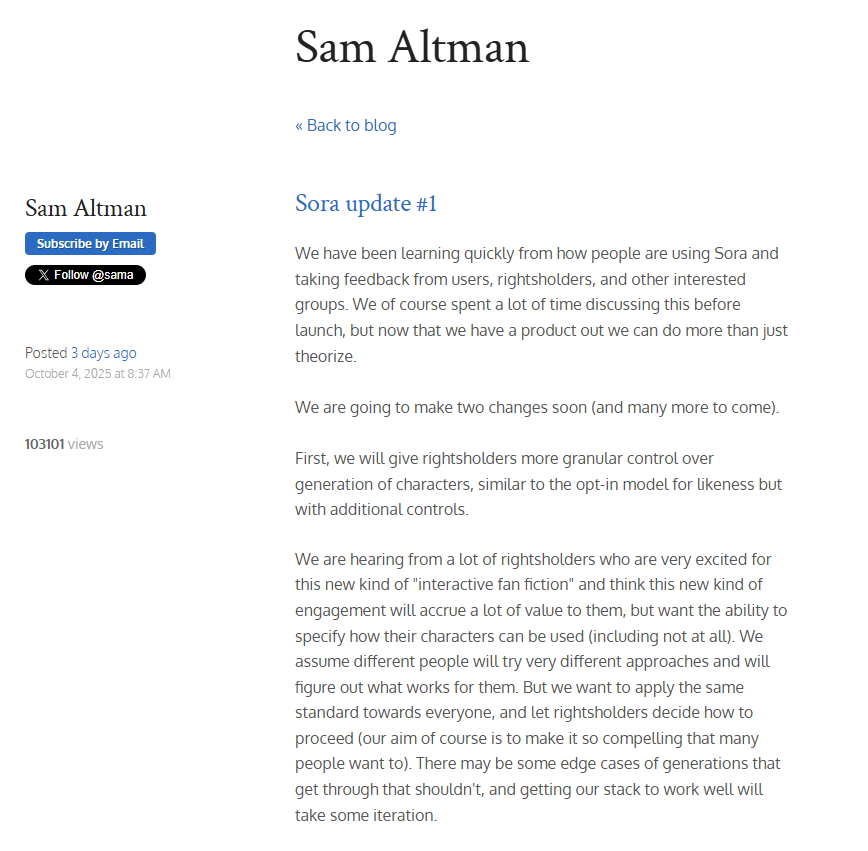
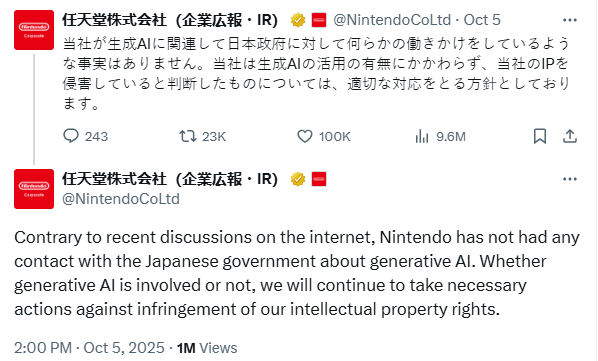
He revealed that the current number of platform users generated far more than expected and that in the future it might be possible to pay the copyrighter who authorized the use of his role. He said: “Specific models need to be explored through a few faults, but we plan to start as soon as possible, and we hope that this new type of interaction will bring even more value than a share of income, and, of course, that both will be of value.” Altman also referred in particular to the Japanese market as “a desire to recognize Japan’s outstanding creative output” and emphasized the “deep connection” between users and Japanese content. On the occasion of the above-mentioned statements, it is rare for Nintendo to issue an official statement that denies the previous media accusations made by Japanese member of the House of Representatives, Satoshi Asano. The parliamentarian once lobbied the Government to limit the generation of AI by referring to the Paradise of Responsibility as “protective IP”, and then deleted and apologized.
Nintendo responded that “in contrast to recent online discussions, we have not made any contact with the Government of Japan on the generation of AI, and we will continue to take the necessary measures for any intellectual property abuse, whether or not it involves the generation of AI”.
It is interesting to note that, in a Sora 2 demonstration quoted in the CNBC article last week, Altman himself stood in the field, surrounded by a few dreams, and he said, with his jokes, “I hope Nintendo will not prosecute us.”
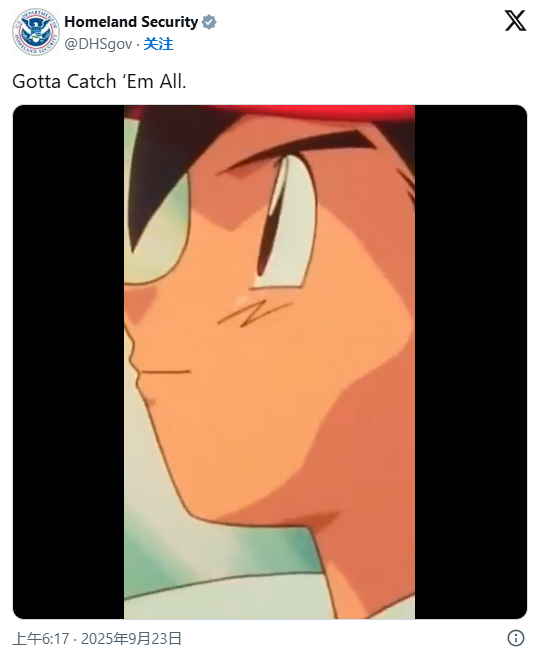
Copyright issues are now the most sensitive area in the AIGC field. Disney and Globe have filed a lawsuit against Midjourney, the AI Image Generation Company, for unauthorized use of the film role under the flag. Disney also sent a warning letter to ChatGPT requesting that its copyright content be discontinued. According to Mark Lemley, Professor at Stanford University Law School, “A cartoon video generated by a large number of users will constitute a copyright infringement, and OpenAI may face a large number of lawsuits.” The business lawyer, Richard Hogg, analysed it in an interview with IGN, which is still pending in law. In his view, the real challenge for OpenAI lies in the regulation of output content, especially when users enter hints that clearly involve tort content. “In short, we do not yet have a precise answer, and there are indications that, in some respects, training based on protected materials will probably be considered legal as long as they are acquired for a legitimate purpose (and are not pirated). On the export side, however, the Disney/Dream Factory case provided a number of strong arguments as to why and how the law should require these platforms to regulate sensitive language concerning tort claims, especially if they are already regulating other content (pornography, discrimination, etc.). But these are arguments, not established laws.” “Legal development lags far behind AI technology, and technology companies are in some way running. Optimistic predictions are that, in the long term, OpenAI is likely to be fine with regard to the training data set it uses (provided it is not pirated). Last month, Bocomb also issued a statement to clarify that it was not involved in creating or authorizing, as a result of the unauthorized use of the image and theme song by the United States Department of Homeland Security in an enforcement video, again highlighting the risk of IP being misused in the context of AI generation.
As Sora 2 pushes the AIGC video door to the new world, the copyright game has just begun.