
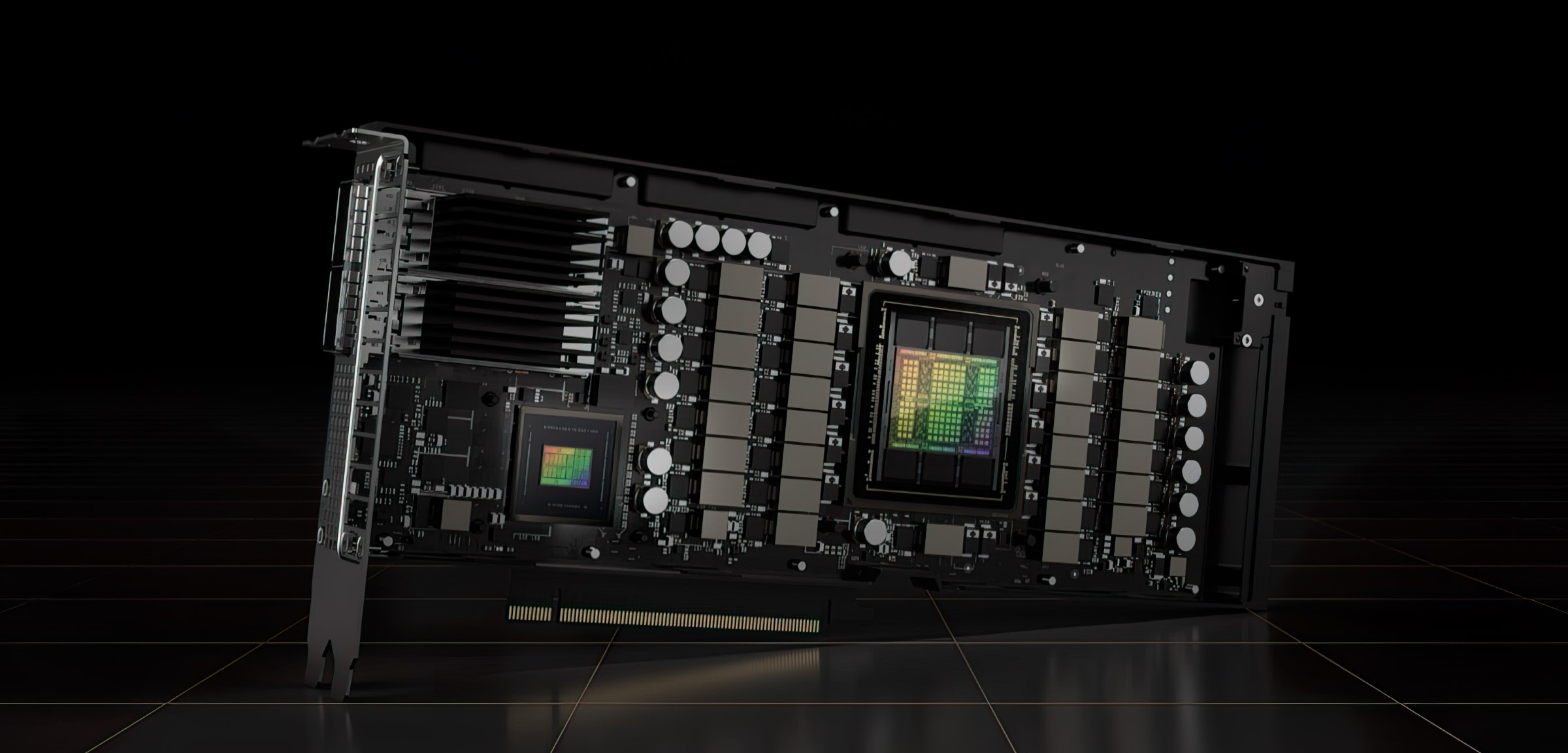
The GPU product of the chip design giant, NVIDIA, is re-emerging in the Chinese market. The company had recently announced that it had begun to accept an order for H20 AI GPU chips tailored for the Chinese market and trusted that the Trump Government would approve its export licence. At the time of the release of this information, Chief Executive Officer In-hoon Hoang is visiting Beijing, and this is the third such visit this year.
Thanks to this good news, the prices of Ingweida and AMD have risen double today, with the opening of the Ingweida stock market rising by 4.4 per cent. The company has made it clear in its official blog that it has started to accept an order from H20 AI GPU and is “confident” in obtaining an export licence from the United States Government. While the statement did not imply that the United States had waived the export licence requirement for the H20 chip, it nevertheless conveyed a positive signal that Yin Weida was ready to deliver to Chinese customers. Numerous reports indicate that large Chinese technology enterprises are still highly dependent on the products of Inverda because of their performance and the significant advantages of the software ecology. This dependency is also driving local firms like China to accelerate the development of more advanced AI chips to compete.
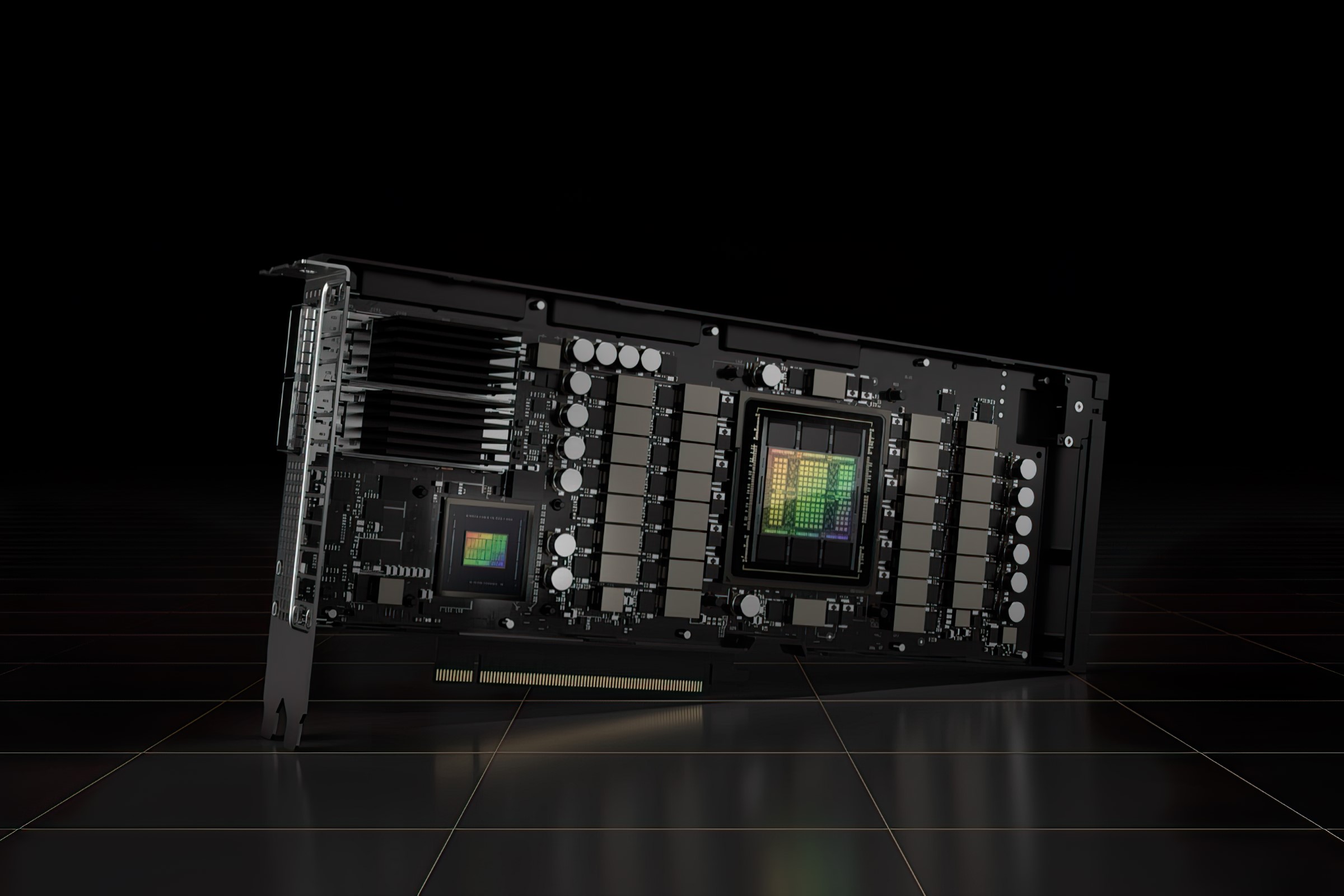
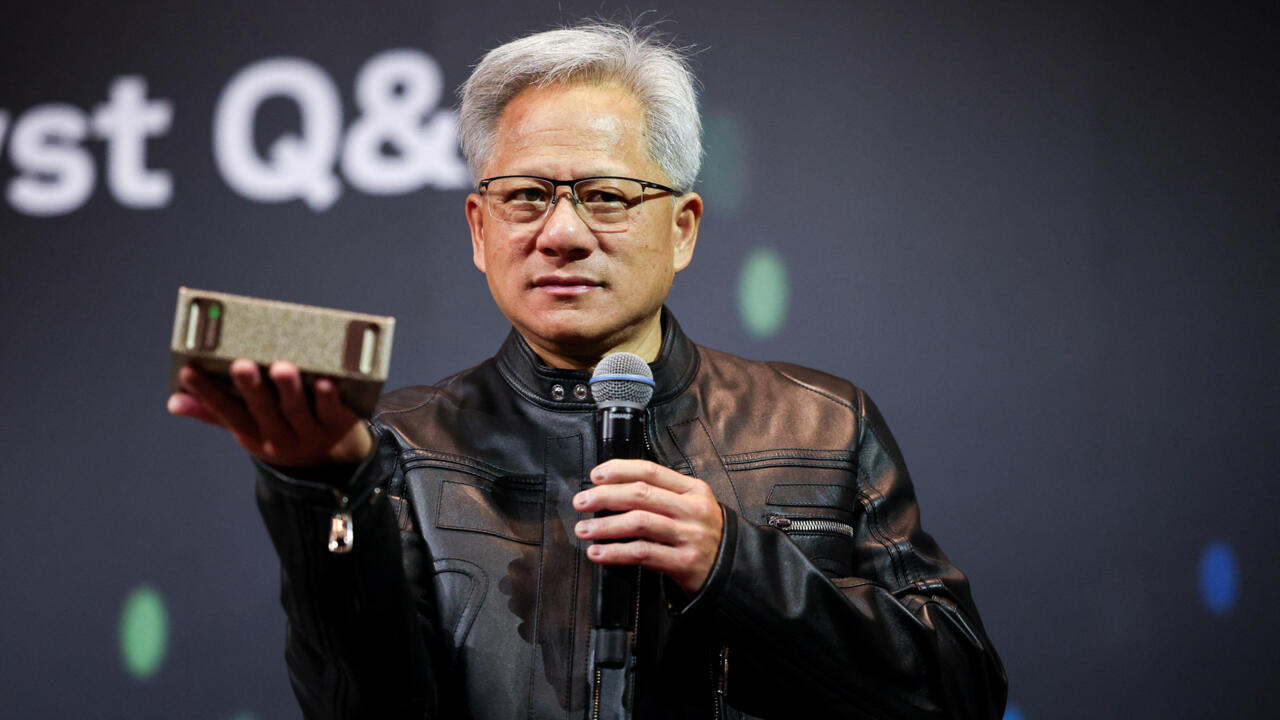
According to Reuters sources, China Science and Technology is fighting to buy its AI GPU, following the opening of a bill by Ying Weida. This is intended, on the one hand, to alleviate the current national supply of AI chips and, on the other hand, to be proactive in building stocks before potential policy tightening. The renewed optimism about sales in China by Yin Weida stems in large part from the long-standing lobbying efforts of the CEO. The central argument he continues to convey to United States officials is that sanctions on the Chinese chip could be counterproductive and accelerate the development of China ‘ s indigenous AI industry. Wong In-hoon warned that if Chinese enterprises were forced to switch to Chinese non-American chips, the United States would lose its dominant position in the global AI technology vault.
At the same time, the Government of Malaysia announced new regulations for the export of advanced AI chips. The new regulations require enterprises planning to move such chips out of Malaysia to inform the Government at least 30 days in advance.